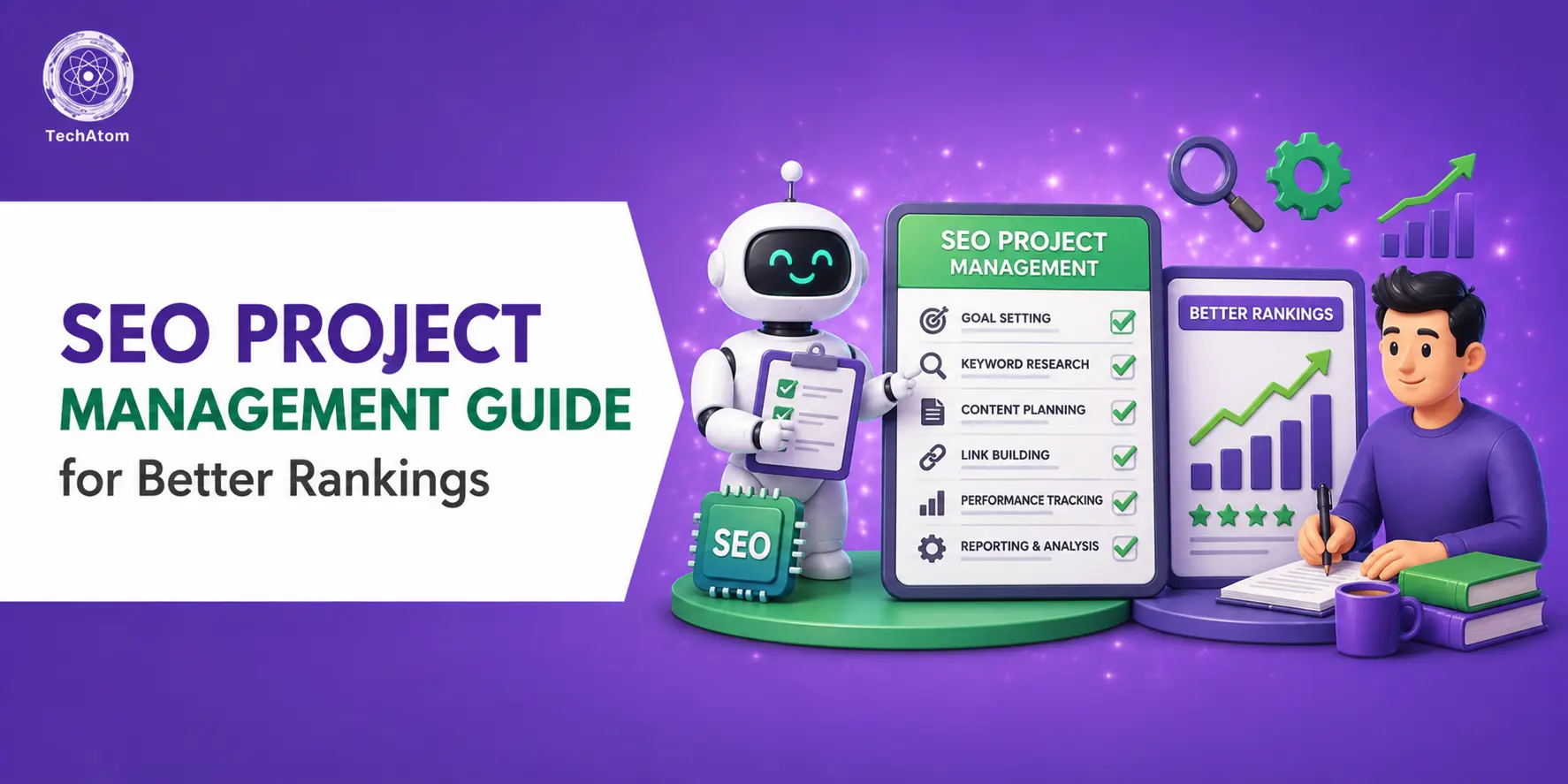
SEO project management is the process of planning, organizing, and tracking SEO tasks to improve website rankings and organic traffic. It helps businesses and agencies manage SEO campaigns in a structured and efficient way. A successful SEO campaign includes keyword research, technical SEO, content creation, link building, reporting, and performance monitoring. Without proper management, teams can face delays, confusion, and missed deadlines.
SEO project management ensures every task is assigned, tracked, and completed according to business goals. This improves workflow efficiency and helps campaigns deliver better long-term results. Effective SEO project management increases search rankings by structuring tasks like audits, content creation, and link building into organized workflows. It also improves communication and accountability within teams. Using project management tools helps businesses monitor progress more effectively and maintain consistency across campaigns. Whether you manage one website or multiple clients, a proper SEO management process supports long-term growth.
Why SEO Project Management is Important
SEO involves many activities that require coordination between different teams and departments. Technical optimization, content writing, keyword research, and reporting all need proper planning and execution. SEO project management helps businesses stay organized and avoid confusion during campaigns. It creates a clear workflow where every team member understands their responsibilities and deadlines.
A structured process also improves productivity and reduces errors. Instead of handling tasks randomly, teams can focus on activities that generate measurable SEO results. Search engine algorithms change regularly, making SEO more competitive every year. Businesses that manage SEO projects efficiently can respond to updates faster and maintain stable rankings. Project management also helps prioritize important SEO tasks based on their impact. Teams can focus on high-value activities instead of wasting time on low-priority work.
Benefits of SEO Project Management
SEO project management improves collaboration between SEO specialists, writers, developers, and marketing teams. It helps businesses complete tasks on time and maintain workflow consistency. Proper management also reduces errors and improves communication across campaigns. Businesses can monitor progress more effectively and adjust strategies when needed. A structured SEO process supports long-term traffic and ranking growth.
Main benefits include:
- Better task management
- Improved team coordination
- Faster campaign execution
- Higher search rankings
- Better reporting and tracking
- Increased productivity
- Long-term SEO growth
Key Components of Effective SEO Project Management
Establish Clear Goals and KPIs
Every SEO project should begin with clear goals and measurable objectives. Businesses need to define what they want to achieve before starting optimization activities. Some campaigns focus on increasing organic traffic, while others target keyword rankings, conversions, or revenue growth. Clear goals help teams stay aligned throughout the campaign. Without defined objectives, it becomes difficult to measure progress or evaluate success. Proper planning ensures everyone works toward the same business outcomes.
KPIs or Key Performance Indicators help track SEO performance using real data. These metrics provide insights into what is working and where improvements are needed. Regular KPI tracking also helps businesses understand the return on investment from SEO activities. Consistent reporting keeps campaigns focused on measurable growth.
Common SEO KPIs include:
- Organic traffic
- Keyword rankings
- Conversion rate
- Bounce rate
- Click-through rate
- Backlink growth
- Revenue from organic search
Use Project Management Tools
Managing SEO campaigns manually becomes difficult as projects grow larger. Project management tools help organize tasks, deadlines, communication, and reporting in one place. These platforms improve visibility and allow teams to track every SEO activity more efficiently. They also simplify collaboration between SEO specialists, writers, developers, and managers.
Project management tools help assign ownership for every task. Each activity can include deadlines, priorities, status updates, and progress tracking. This improves accountability and ensures important SEO tasks are not missed. Automation features also save time and improve workflow consistency.
Popular SEO project management tools include:
|
Tool |
Best Use |
|
Asana |
Team collaboration |
|
Monday.com |
Workflow tracking |
|
ClickUp |
SEO task organization |
|
Trello |
Visual task management |
|
Notion |
Documentation and planning |
How to Choose the Right SEO Project Management Tool
Choosing the right SEO project management tool depends on business size, workflow, and campaign goals. Some tools are better for task management, while others focus more on collaboration and reporting. Businesses should select platforms that improve communication and simplify workflow management. The tool should also support integrations with SEO platforms and analytics software. Easy navigation and automation features can improve overall productivity.
Businesses should compare features like task tracking, reporting, dashboards, file sharing, and workflow customization. Pricing and team size are also important factors when selecting a platform. Small businesses may prefer simple tools, while agencies often need advanced collaboration systems. A good project management tool should save time and improve campaign efficiency. Choosing the right platform helps teams manage SEO campaigns more effectively.
Establish Standard Operating Procedures (SOPs)
Standard Operating Procedures are documented processes that explain how SEO tasks should be completed. SOPs help maintain consistency and quality across campaigns. They are especially useful for agencies and large SEO teams handling multiple projects. Clear procedures reduce confusion and improve workflow efficiency.
SEO campaigns involve repetitive tasks such as audits, content optimization, reporting, and keyword research. SOPs ensure these tasks follow a structured process every time. This reduces errors, improves productivity, and helps teams maintain consistent performance standards.
Examples of SEO SOPs include:
- Keyword research process
- On-page SEO checklist
- Technical audit workflow
- Content publishing guidelines
- Link-building outreach process
- Monthly reporting process
SEO Project Management Workflow
A proper SEO workflow helps teams manage campaigns in a more organized and efficient way. Every SEO project should follow a step-by-step process from planning to optimization. Structured workflows reduce confusion and help teams complete tasks on schedule. A defined process also improves collaboration between departments and team members. Businesses can track progress more effectively with clear workflows.
A standard SEO project workflow usually includes:
- Website audit
- Keyword research
- Competitor analysis
- Technical SEO fixes
- Content creation
- Link building
- Performance tracking
- Reporting and optimization
Real Example of SEO Project Management
An SEO agency managing an eCommerce website may start the project with a technical SEO audit to identify crawl errors, broken links, and slow-loading pages. After completing keyword research, the content team creates optimized product pages and blog articles targeting important search queries. At the same time, the outreach team focuses on building quality backlinks from relevant websites.
The SEO project manager uses tools like Asana or ClickUp to assign tasks, track deadlines, and monitor campaign progress. Weekly reporting helps the team review rankings, traffic growth, and completed tasks. This structured workflow helps businesses improve search visibility, organic traffic, and long-term SEO performance.
Prioritize Tasks Based on Impact
Not all SEO tasks produce the same level of results. Some activities create faster improvements, while others require long-term effort and consistency. SEO project management helps teams prioritize high-impact tasks based on business goals and available resources. Technical SEO issues usually require immediate attention because they affect crawling and indexing. Improving site speed, fixing broken links, and resolving mobile usability issues can improve rankings quickly.
Keyword research and content optimization are also important because they directly impact visibility and traffic growth. A priority-based workflow helps teams stay focused and organized. Managers can allocate resources more effectively and monitor progress accurately. This approach improves efficiency and ensures the campaign remains aligned with SEO goals.
Regular Client Communication and Reporting
Communication is an important part of successful SEO project management. Clients and stakeholders need regular updates about campaign progress and performance improvements. Transparent communication builds trust and helps maintain strong professional relationships.
SEO reports should focus on meaningful metrics such as rankings, traffic, conversions, and revenue. Businesses should avoid overwhelming clients with unnecessary data. Visual dashboards and reports make it easier to understand campaign performance and identify growth opportunities.
Useful reporting tools include:
- Looker Studio
- Google Analytics
- Google Search Console
- Ahrefs
- SEMrush
Key SEO Project Phases
Initial Audit and Planning
The first stage of an SEO project is a website audit, which identifies technical issues, content gaps, keyword opportunities, and backlink problems. This helps understand the current website condition before making improvements. Keyword research and competitor analysis are also key parts of planning, helping identify search terms, trends, and ranking opportunities. A clear plan creates a strong roadmap, improves efficiency, and reduces mistakes while supporting long-term SEO growth.
Technical SEO Implementation
Technical SEO improves website performance, crawlability, and indexability so search engines can understand content properly. Even high quality content may not rank well if technical issues exist. Key improvements include site speed optimization, fixing broken pages, mobile usability, and XML sitemap setup. Structured data also helps improve search visibility. These fixes build a strong foundation for better rankings. It often requires coordination between SEO teams and developers, along with regular monitoring to maintain long term performance.
Content Strategy and Creation
Content plays a major role in SEO success because search engines prioritize useful and relevant information that matches user intent. A strong content strategy helps target the right keywords and attract the right audience. SEO project management ensures content creation, optimization, and publishing follow a structured process. A clear workflow improves consistency, quality, and publishing schedules through editorial planning. Content should focus on solving user problems rather than keyword stuffing. High quality articles, guides, and landing pages improve engagement and search visibility.
Link Building and Promotion
Link building helps improve website authority, trust, and search rankings through high quality backlinks. SEO project management supports outreach campaigns and tracks backlink performance effectively. Common strategies include guest posting, digital PR, partnerships, and content promotion. Businesses should focus on quality backlinks instead of low value links, as spammy links can harm rankings. Promoting content through social media and other channels increases visibility and engagement. Consistent link building efforts support long term SEO growth.
Ongoing Monitoring and Optimization
SEO is an ongoing process that requires regular monitoring and improvement. Search rankings, traffic changes, and algorithm updates can impact website performance at any time. Regular analysis helps identify issues and adjust strategies quickly. Performance reviews should include ranking checks, traffic reports, technical audits, and conversion tracking. Continuous optimization helps maintain strong rankings and long term traffic growth. It also improves decision making and ensures efforts are focused on what delivers the best results.
SEO Project Management for Agencies
SEO agencies often manage multiple clients, campaigns, and deadlines at the same time. Proper project management helps agencies organize workflows and improve communication between teams. It also helps agencies deliver projects on time and maintain service quality. Organized systems improve reporting, task management, and client satisfaction. Agencies can scale operations more effectively with structured workflows.
Agencies should use centralized project management tools to track tasks, content, reporting, and communication. SOPs and milestone tracking also help maintain consistency across multiple campaigns. Clear workflows reduce confusion and improve accountability within teams. Regular client updates help agencies maintain transparency and trust. Strong project management improves agency productivity and long-term client relationships.
SEO Project Management Checklist
An SEO project management checklist helps businesses track important activities and avoid missing critical tasks. Checklists improve organization and make workflows easier to follow. They also help teams maintain consistency across campaigns and projects. Businesses can monitor campaign progress more effectively using structured checklists. A proper checklist supports better SEO management and execution.
SEO project management checklist:
- Define SEO goals and KPIs
- Conduct technical website audit
- Complete keyword research
- Analyze competitors
- Assign tasks to team members
- Create content strategy
- Optimize technical SEO issues
- Build quality backlinks
- Track rankings and traffic
- Create monthly SEO reports
Essential Tools for SEO Project Managers
SEO project managers use different tools to manage workflows, monitor rankings, and improve communication. These tools help automate tasks and centralize project information.
Using the right tools improves productivity and supports better campaign management.
Project Tracking Tools
- Trello
- Asana
- Monday.com
- ClickUp
- Notion
SEO Auditing and Rank Tracking Tools
- Ahrefs
- Screaming Frog
- Keyword.com
- SEMrush
- Google Search Console
Communication Tools
- Slack
- Zoom
- Microsoft Teams
- Google Meet
Best Practices for SEO Project Management Success
Assign Ownership
Every SEO task should have a designated owner responsible for completion and quality control. Clear ownership improves accountability and reduces confusion within teams. When responsibilities are assigned properly, projects move more efficiently and deadlines become easier to manage.
Set Milestones
Large SEO campaigns should be divided into smaller milestones for easier tracking and management. Breaking projects into phases helps teams monitor progress more effectively. Milestones also help businesses measure short-term achievements while working toward long-term SEO goals.
Document Everything
Documentation is essential for maintaining consistency and transparency in SEO campaigns. Teams should keep records of technical changes, reports, content updates, and communication. Organized documentation improves collaboration and supports better decision-making in future campaigns.
Common SEO Project Management Challenges
SEO projects often face challenges related to deadlines, communication gaps, and changing search engine algorithms. Managing multiple tasks across different teams can become difficult without proper systems. Delays in content approval or technical implementation can also slow campaign progress.
Another major challenge is adapting to algorithm updates. Ranking fluctuations can affect traffic and require quick strategic adjustments.
SEO managers must monitor industry trends continuously and update workflows when needed.
Limited resources and budgets can also affect campaign performance. Businesses need to prioritize high-impact activities to maximize results with available resources. Strong planning and workflow management help overcome these challenges more effectively.
Common Mistakes in SEO Project Management
Many businesses fail to set clear goals before starting SEO campaigns. Without defined objectives, teams may struggle to measure progress and prioritize tasks effectively. Poor communication between SEO specialists, writers, and developers can also slow campaign execution. Ignoring technical SEO issues is another common mistake that affects rankings and website performance. Businesses should focus on structured workflows and regular monitoring.
Another common mistake is failing to document SEO processes and campaign updates. Lack of documentation creates confusion and reduces consistency across projects. Some businesses also focus too much on low-impact tasks instead of high-priority activities. Inconsistent reporting can make it difficult to track campaign success accurately. Avoiding these mistakes improves efficiency and long-term SEO results.
Conclusion
SEO project management helps businesses organize and manage SEO campaigns more effectively. It improves workflow efficiency, accountability, and communication within teams. Proper management supports technical SEO, content creation, reporting, and link building activities. Tools like Asana, ClickUp, Ahrefs, and Looker Studio help simplify campaign management. Businesses that follow structured SEO processes can achieve better rankings and long-term growth.
Frequently Asked Questions
1. What does an SEO project manager do?
An SEO project manager plans, organizes, and monitors SEO campaigns to improve website performance. They manage tasks, deadlines, reporting, communication, and team coordination. Their role is to ensure SEO activities are completed on time and aligned with business goals.
2. How long does an SEO project take to show results?
Most SEO projects start showing noticeable results within 3 to 6 months. The timeline depends on website age, competition, keyword difficulty, and the quality of SEO work. Long-term consistency is important for sustainable rankings and traffic growth.
3. What skills are required for SEO project management?
SEO project management requires skills like communication, task management, keyword research, technical SEO knowledge, reporting, and strategic planning. A project manager should also understand analytics and workflow management tools. Good leadership and organization skills are equally important.
4. Can small businesses benefit from SEO project management?
Yes, small businesses can benefit greatly from SEO project management. It helps organize SEO activities, improve productivity, and focus on high-priority tasks. Proper management also helps small businesses compete more effectively in search results.
5. What is the biggest challenge in SEO project management?
One of the biggest challenges is managing multiple SEO tasks while adapting to search engine algorithm updates. Communication gaps, missed deadlines, and resource limitations can also affect campaign performance. A structured workflow helps reduce these issues and improves efficiency.
People are also reading