Search is no longer about clicking links. Today, over 60% of searches result in zero-clicks, meaning users get answers directly without visiting any website. Instead of scrolling through results, they ask questions and receive instant responses from AI tools.
Platforms like ChatGPT, Google AI Overviews, Bing Copilot, and Perplexity have completely changed how people search. These tools do not just display links. They understand intent, combine information from multiple sources, and present a single, clear answer.
For example: If someone searches “best SEO strategy for beginners,” they may see a summarized answer at the top instead of a list of websites. If your content is not included in that answer, your visibility drops, even if your page ranks well.
This is why AI SEO has become essential. It is not just about ranking anymore. It is about being selected as the answer.
In this guide, you will learn how AI SEO works, why it matters in 2026, and how to optimize your content to stay visible in this new search environment.
What is AI SEO?
AI SEO is the process of optimizing your content so that AI tools can understand it, trust it, and include it in their answers.
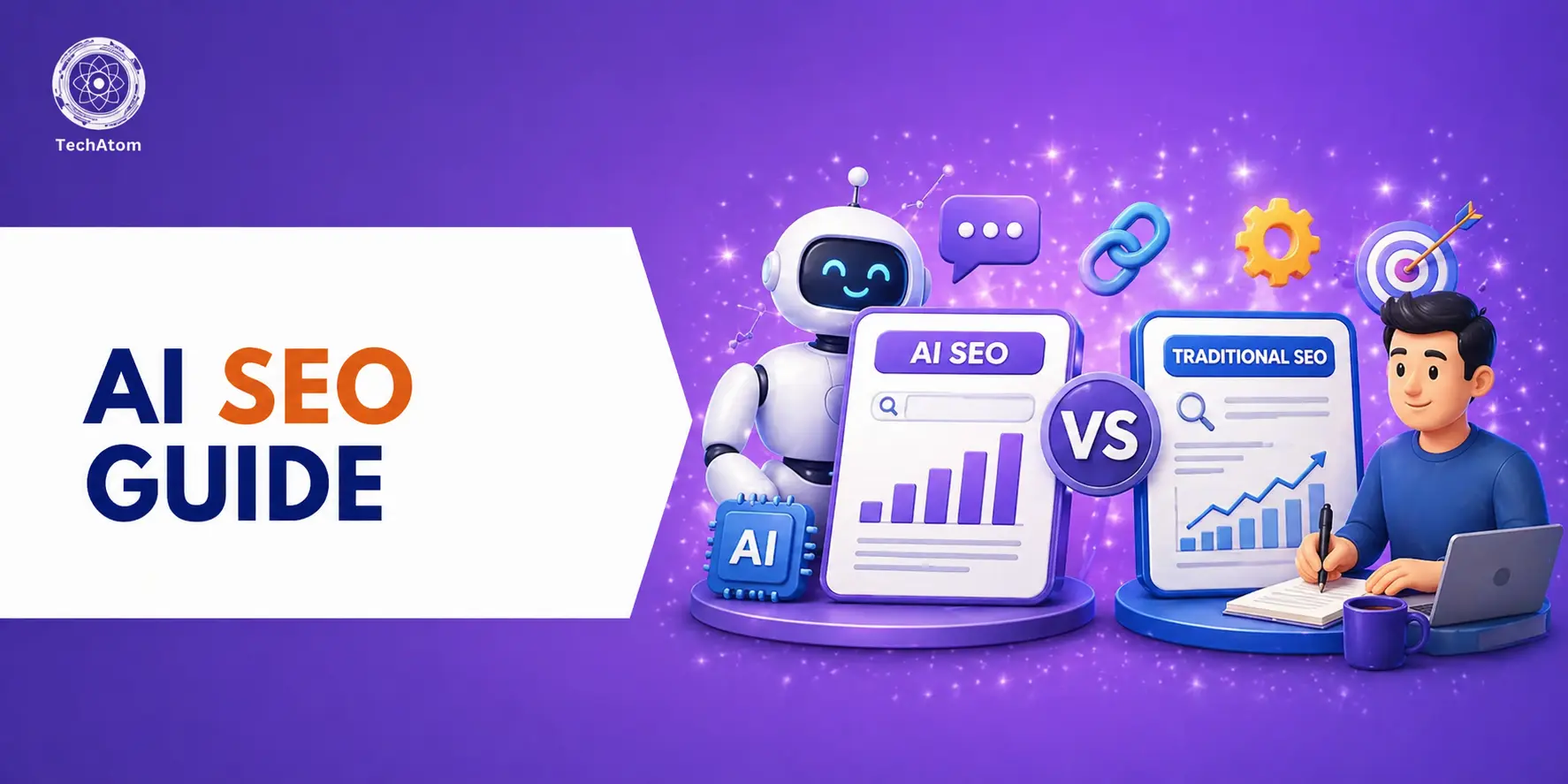
Unlike traditional SEO, which focuses on rankings and clicks, AI SEO focuses on visibility inside AI-generated responses.
What is AI SEO and Why It Matters Today
AI SEO is the process of optimizing your content so that AI systems can understand it and include it in their answers. In the past, SEO was mainly about ranking higher and getting clicks. Now, the focus has shifted towards becoming part of the answer itself.
One of the biggest reasons for this shift is the rise of zero-click searches. In fact, research shows that nearly 65% of Google searches now end without a click, highlighting the importance of AI visibility. Users often get the information they need directly from AI tools without visiting any website. This means your visibility depends on whether AI systems choose your content, not just where your page ranks.
AI tools analyze more than just keywords. They look at context, intent, structure, and trust. Content that is clear, well-organized, and helpful is far more likely to be selected.
For Example: HubSpot structures its content into entity-based clusters, which AI tools often pull directly into answers.
The New Way of Doing SEO
Modern SEO is no longer based on a single approach. It is built on multiple methods that work together to improve visibility in AI-powered search.
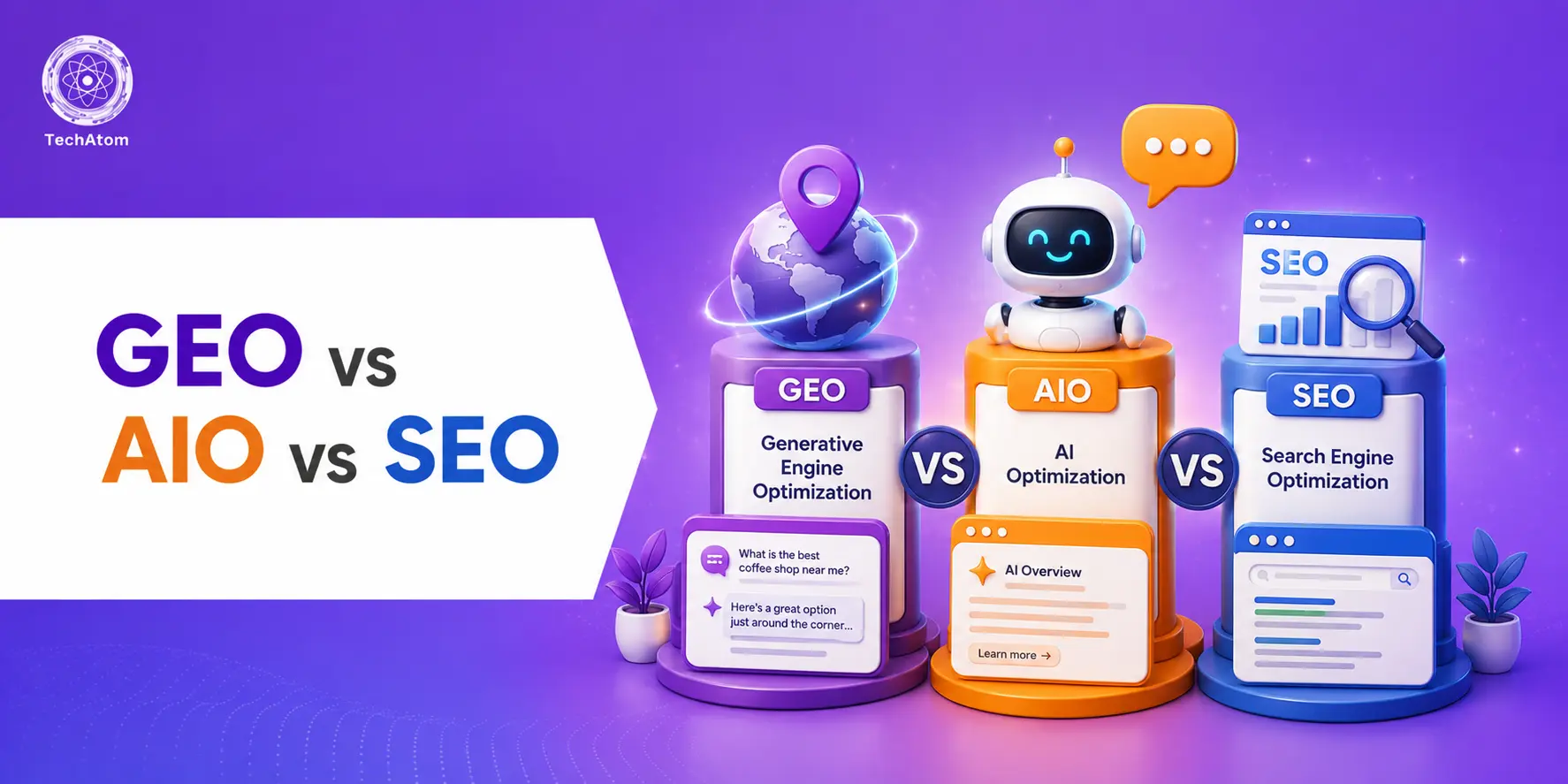
- Artificial Intelligence Optimization focuses on making your content easy for AI to understand through proper structure and clear context.
- Answer Engine Optimization ensures your content directly answers user questions and appears in quick results and voice searches.
- Generative Engine Optimization helps maintain consistency in how AI tools describe your brand and services.
- Search Experience Optimization improves user experience by focusing on speed, mobile-friendliness, and engagement.
When these approaches are combined, your content becomes stronger, more useful, and more likely to be selected by AI systems.
Why Traditional SEO is No Longer Enough
Changing User Behavior: Traditional SEO techniques like keywords and backlinks still matter, but they are no longer enough on their own. User behavior has changed. People now search using natural language and voice queries. They expect quick and accurate answers instead of browsing multiple websites.
AI-Driven Evaluation: AI systems evaluate content differently compared to traditional search engines.
For example, when someone searches “best digital marketing agency near me,” AI tools may directly suggest options instead of showing ten blue links. If your content is not optimized for this format, it may never appear.
AI systems also evaluate meaning and usefulness, not just keywords. This means even high-ranking pages can be ignored if they are not structured properly.
Smart AI SEO Strategies That Actually Work
To succeed in AI-powered search, you need to follow strategies that focus on clarity, structure, and trust. Instead of relying on outdated tactics, you should build content that is easy to understand and valuable for both users and AI systems.
Content Optimization Strategies:
- Create answer-focused content that responds clearly and quickly to user questions
- Match your content with user intent instead of focusing only on keywords
- Use proper structure with headings, lists, and well-organized sections
Authority and Brand Building:
- Build a strong and consistent brand identity so AI understands your expertise
- Build topic clusters to show deep knowledge and authority
- Maintain consistency in tone, messaging, and positioning
Advanced Growth Strategies:
- Use predictive keyword research to target future trends
- Test your content in AI tools and improve it based on results. Sites optimized for AI-powered answers see up to 40% more visibility in search snippets.
- Create content in multiple formats such as videos, images, and audio
- Combine AI tools with human creativity to keep content natural and engaging
When you apply these strategies together, your content becomes more visible, more useful, and more likely to be selected in AI-generated answers.
Entity SEO
Entity SEO is one of the most important parts of AI SEO in 2026. Instead of focusing only on keywords, search engines now focus on entities. An entity can be a person, brand, place, or concept that has a clear identity.
For example:
- Google is an entity
- OpenAI is an entity
- “SEO” itself is an entity in the digital marketing space
Why Entity SEO Matters
AI tools understand relationships between entities. Studies show that pages properly optimized for entities are 50% more likely to appear in featured answers. This helps them:
- Identify trusted sources
- Connect topics accurately
- Deliver better answers
How to Optimize for Entity SEO
- Use clear brand mentions consistently
- Build author authority and profiles
- Use structured data (schema markup)
- Create content around topics, not just keywords
- Get mentions from trusted websites
For example: Instead of just targeting “SEO tips,” create content like:
“SEO strategies used by Google and AI tools”
This helps AI connect your content with strong entities.
Advanced Technical SEO for AI Visibility
Technical SEO plays a bigger role in AI SEO than many people realize. It helps AI systems understand your content more accurately.
Structured Data and AI Understanding
- Use schema markup for FAQs, articles, and products to improve content clarity
- Optimize files like robots.txt and LLMs.txt to guide AI crawlers.
- Build knowledge graph signals to strengthen your brand identity.
- Ensure your website is fast, mobile-friendly, and easy to crawl. Google reports that 53% of mobile users abandon sites that take longer than 3 seconds to load.
These technical improvements make your content more accessible and easier for AI systems to use.
How to Implement AI SEO (Step-by-Step)
If you are just starting, follow this simple process:
- Identify your target audience and their intent
- Perform keyword and topic research
- Create structured, clear content
- Optimize for AI answers and voice search
- Test your content on AI platforms
- Track performance and update regularly
This step-by-step approach makes AI SEO easier and more practical.
Tools and Technologies Used in AI SEO
Using the right tools can save time and improve results:
- Content tools for writing and optimization
- Keyword tools for intent-based research
- Technical SEO tools for site audits
- Analytics tools for performance tracking
AI tools help with speed, but human input ensures quality.
Tip: AI tools help with speed, but human input ensures quality.
Best AI SEO Company in 2026
The best AI SEO company helps businesses optimize their content for AI-powered search engines like ChatGPT, Google AI Overviews, and Bing Copilot. Unlike traditional SEO, it focuses on how AI understands, selects, and presents content as answers instead of just ranking pages.
The goal of an AI SEO company is to improve visibility in AI-generated responses by using structured content, entity optimization, and intent-based strategies. This ensures your brand is not only searchable but also chosen as a trusted source in AI answers.
Techatom Pvt Ltd is one such company working in this space. It focuses on modern AI SEO strategies, helping businesses improve their content structure, build authority, and increase visibility in AI-driven search results. With a mix of technical SEO and AI-focused content optimization, Techatom Pvt Ltd supports brands in adapting to the future of search.
Quick Comparison: Traditional SEO vs AI SEO
|
Aspect |
Traditional SEO |
AI SEO |
|
Focus |
Rankings |
AI visibility |
|
Keywords |
Exact match |
Intent-based |
|
Content |
Keyword focused |
Answer-focused |
|
Goal |
Clicks |
Being the answer |
|
Experience |
Basic UX |
Personalized UX |
How to Measure Success in AI SEO
Measuring success in AI SEO is different from traditional SEO. Rankings and clicks are no longer the only indicators of performance.
AI Visibility Metrics: You should focus on visibility across AI platforms and how often your content is being used in answers.
- Track how often your content appears in AI-generated responses
- Analyze presence in AI summaries and answer boxes
Brand Signals:
- Monitor brand mentions and citations
Search Presence:
- Check visibility in voice search results.
For example: If your content appears in an AI summary for a popular query, it can build authority even without direct clicks.
Challenges You May Face
AI SEO offers many benefits, but it also comes with challenges that you need to be aware of. Understanding these challenges helps you prepare better and improve your strategy over time.
Content Challenges:
- Lack of high-quality and structured data can reduce AI trust
Measurement Challenges:
- Difficulty in measuring return on investment from AI visibility
Algorithm Challenges:
- Constant changes in AI algorithms require continuous updates
Technical Challenges:
- Technical complexity and limited resources can slow implementation
Understanding these challenges helps you build a more flexible and effective strategy.
Continuous Optimization is the Key
AI SEO is not a one-time effort. AI systems constantly update how they evaluate and select content. Trust is not permanent, and visibility can change quickly.
- Regularly update content
- Expand topic coverage
- Reinforce authority
- Monitor AI responses and adapt strategies
The Future of Search
Search is moving towards a system where users expect direct answers instead of links. According to recent data, voice and AI-driven searches are expected to account for 50% of all searches by 2026. AI is becoming the main way people discover and consume information online.
This does not mean SEO is disappearing. It means SEO is evolving. The focus is now on creating content that is clear, helpful, and easy to understand.
Those who adapt early will gain a strong advantage, while others may struggle to stay visible in this new environment.
Conclusion
AI SEO is becoming essential as search continues to evolve. It is no longer just about ranking on search engines but about being part of the answers users see. By focusing on clear content, proper structure, and real value, you can improve your visibility in AI-powered search and stay ahead in the changing digital landscape.
Frequently Asked Questions
1. What is AI SEO?
AI SEO is the process of optimizing content so that AI tools like ChatGPT, Google AI Overviews, and Bing Copilot can understand it and include it in their answers. It focuses on clarity, structure, and trust rather than just keywords.
2. How is AI SEO different from traditional SEO?
Traditional SEO focuses on rankings, keywords, and backlinks, while AI SEO focuses on getting your content selected and used in AI-generated answers. It prioritizes intent, context, and user-friendly content.
3. Why is AI SEO important in 2026?
AI SEO is important because most users now get answers directly from AI tools without clicking websites. If your content is not optimized for AI, it may not be visible to your audience.
4. How can I optimize my content for AI search?
You can optimize your content by writing clear answers, using proper headings and structure, focusing on user intent, building authority, and keeping your content updated and accurate.
5. Does AI SEO replace traditional SEO?
No, AI SEO does not replace traditional SEO. It builds on it. Basic SEO practices like technical optimization and backlinks are still important, but they need to be combined with AI-focused strategies.
People are also reading: