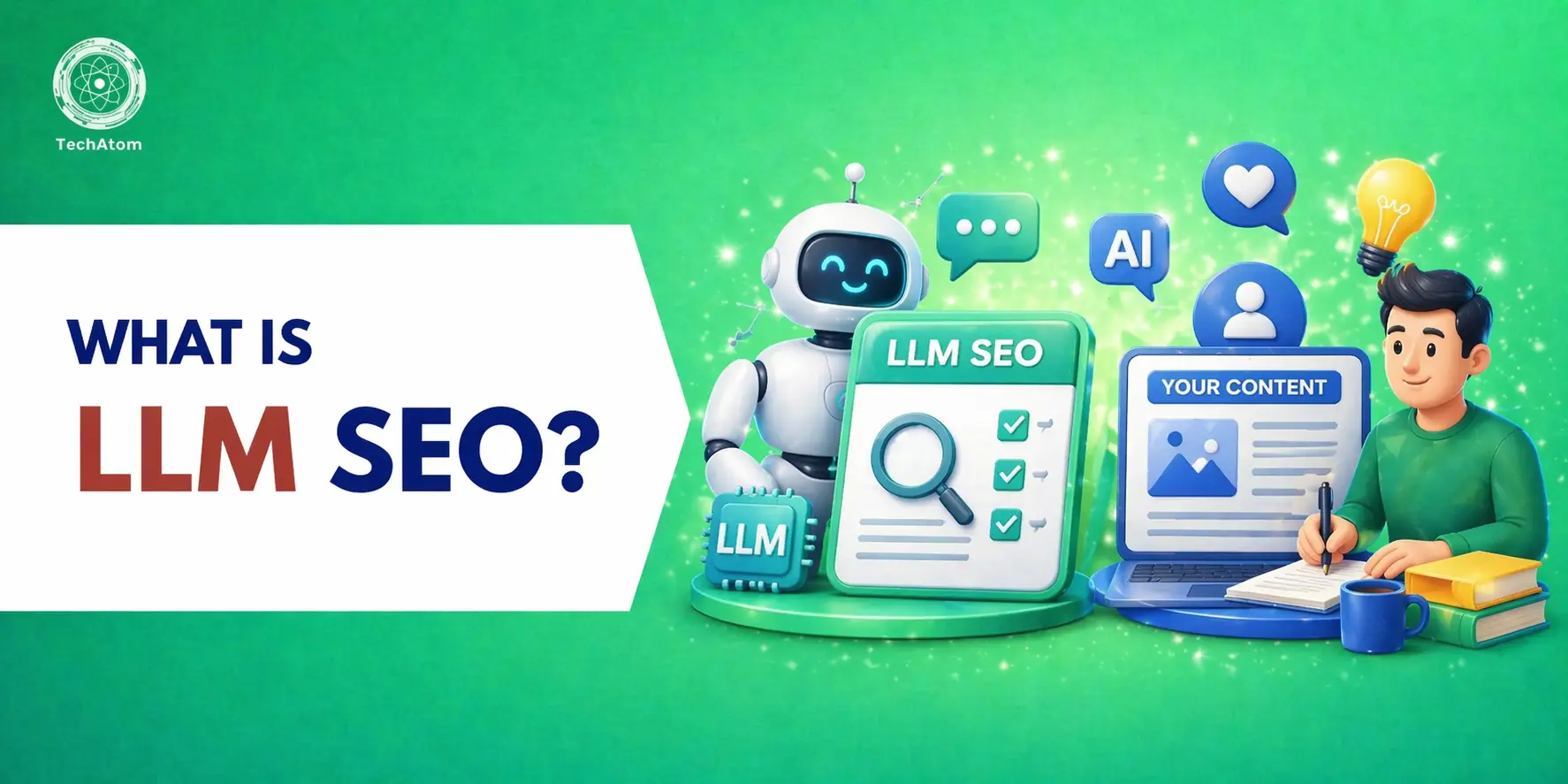

Search behavior is changing rapidly. People are no longer relying only on traditional search engines where they type a few keywords and browse through a list of links. Instead, many users now ask full questions and expect direct, well-explained answers. This shift has created a new approach to search optimization known as LLM SEO.
LLM SEO focuses on optimizing website content so it can be discovered, understood, and referenced by advanced language-based search systems that provide conversational answers to users. Rather than simply ranking a page on a search engine results page, the goal is to make your content useful enough that it can be used as a reliable source when detailed answers are generated.
In simple terms, LLM SEO is about creating clear, trustworthy, and well-structured information that helps answer real user questions. When content is written with this approach, it becomes more likely to be referenced in AI-driven search experiences, voice assistants, and conversational platforms. Businesses, bloggers, and content creators are beginning to realize that traditional keyword-focused strategies alone are not enough. Content must now demonstrate depth, clarity, authority, and helpfulness.
How LLM SEO Differs from Traditional SEO
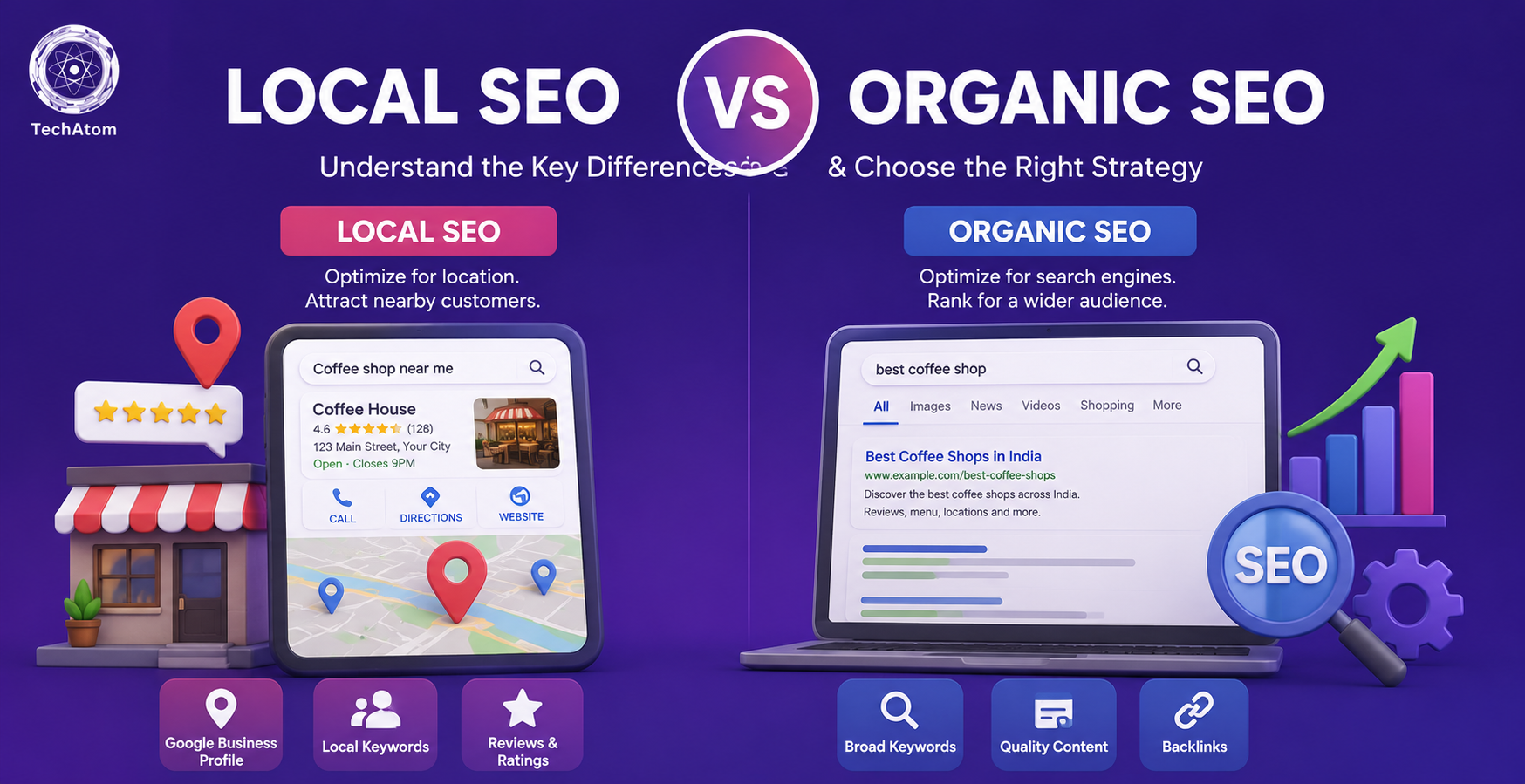
Traditional SEO focuses mainly on ranking webpages in search engine result pages. It often prioritizes keywords, backlinks, and technical optimization to improve rankings.
LLM SEO, on the other hand, focuses on how well a piece of content answers questions and provides meaningful information. Instead of just competing for rankings, the goal is to become a trusted source of knowledge.
Here are some key differences:
1. Search Intent vs Keyword Focus
Traditional SEO often revolves around targeting specific keywords. LLM SEO focuses more on understanding the full intent behind a user’s question. It aims to provide clear, detailed answers that genuinely help the reader instead of simply matching search terms. This approach encourages content that explains topics in depth so users can easily find the information they are looking for.
2. Content Depth
Pages optimized for LLM visibility usually provide complete explanations, not just short answers designed to rank quickly. They focus on giving readers a deeper understanding of the topic by covering important details, examples, and related information. This helps users get meaningful insights instead of needing to search multiple pages for the same answer.
3. Conversational Queries
Users now search in a more natural way, asking questions such as:
- “How can I improve my website traffic?”
- “What is the best SEO strategy for small businesses?”
LLM SEO prioritizes content that answers these types of queries clearly.
4. Information Structure
Structured content that includes headings, explanations, examples, and FAQs makes it easier for advanced search systems to interpret the information. A well-organized page also improves readability for users, helping them quickly find the answers they are looking for. When information is presented in a clear and logical format, it becomes easier to understand and more valuable for readers.
5. Authority and Trust
Reliable sources, accurate facts, and strong credibility signals play a larger role in LLM-based discovery. Content that is well-researched and trustworthy is more likely to be recognized as a dependable reference. When information is clear, factual, and supported by credible insights, it increases the chances of being considered valuable for answering user queries.
How AI and LLM Systems Discover Content
Large language models and AI-driven search systems rely on multiple signals when referencing information online. These systems analyze large volumes of publicly available content to identify sources that provide clear, accurate, and helpful explanations.
Some important factors that influence how AI systems discover and reference content include:
- High-quality public web content
- Websites that consistently publish useful information
- Pages that clearly answer common questions
- Structured and easy-to-understand content
- Websites with strong topical authority
When a webpage explains a topic clearly and provides reliable insights, it becomes more likely to be referenced by AI-powered search experiences.
Pillars that an LLM-First SEO Strategy Must Have
To build a strong LLM-focused strategy, content creators should concentrate on several core principles. These pillars help ensure that information is useful, trustworthy, and easy to understand.
1. Helpful and Informative Content
Content should provide clear answers and practical insights instead of repeating general information. Readers should feel that their questions are fully addressed. Well-explained content that includes useful details, examples, or step-by-step guidance can make the information more valuable. When readers gain real understanding and solutions from a page, they are more likely to trust the content and return for more information.
2. Topical Authority
Websites that consistently publish well-researched content around a specific topic tend to gain more trust and recognition. When a site regularly shares valuable insights and detailed information within the same subject area, it gradually builds authority in that field. This consistency helps readers see the website as a reliable source of knowledge and encourages them to return whenever they need information related to that topic.
3. Structured Information
Clear organization improves readability and discoverability. This includes:
- Logical headings
- Short but meaningful paragraphs
- Lists where necessary
- Clear explanations
4. Credibility and Accuracy
Content that includes reliable facts, updated information, and accurate explanations builds long-term trust. Readers are more likely to rely on websites that consistently provide correct and well-verified details. When information is regularly reviewed and updated, it shows that the content remains relevant and dependable for users seeking accurate answers.
5. User-Focused Writing
Information should be written in a simple and natural tone that readers can easily understand. Clear language helps readers grasp the topic without confusion or unnecessary complexity. When content feels easy to read and relatable, it keeps users engaged and encourages them to continue exploring the information.
Demonstrating Expertise and Author Credibility
Trust plays a major role in modern search visibility. Readers and search systems both prefer content that clearly demonstrates expertise and credibility.
One way to build trust is by showing who created the content and why they are knowledgeable about the topic. Author information, professional experience, and transparent content practices can strengthen credibility. Websites that consistently publish reliable and well-researched information are more likely to be viewed as trustworthy sources.
How to Optimize Your Website for LLM Visibility
Improving visibility for modern search systems requires a combination of strong content and good website practices. The following steps can help increase the chances that your content is referenced.
1. Focus on Question-Based Content
Many users search by asking questions. Creating content that directly answers these questions can improve visibility.
For example:
- What is SEO?
- How does keyword research work?
- Why is website traffic important?
2. Provide Complete Answers
Instead of short explanations, offer detailed insights that fully address the topic. Content that explains a subject thoroughly helps readers gain a deeper understanding.
For example, instead of writing a short definition like: “SEO helps websites rank in search engines.”
A more helpful explanation would be: “Search engine optimization (SEO) is the process of improving a website’s content, structure, and authority so that search engines and users can easily find relevant information online.”
3. Use Clear Headings and Sections
Well-structured content allows information to be easily understood. Breaking content into logical sections helps both readers and search systems interpret it. Providing additional context, examples, or useful tips can help readers understand the subject more clearly. When a topic is explained thoroughly, users are less likely to search elsewhere for more information.
4. Build Topic Clusters
Publishing multiple related articles around one subject strengthens topical authority and improves content relevance. When a website covers different aspects of the same topic, it creates a deeper knowledge base for readers. This also helps users explore related information easily and understand the subject in a more complete way.
5. Improve Content Readability
Good formatting helps readers understand information quickly. This includes:
- Short paragraphs
- Bullet points
- Simple explanations
- Clear transitions between sections
6. Use Structured Data and Schema Markup
Structured data helps search systems better understand the meaning of your content. Using schema markup such as FAQ schema, article schema, or how-to schema can make information easier for search systems to interpret. When content is clearly structured, it increases the chances that search platforms and AI systems correctly understand the page.
7. Keep Content Updated
Information that is regularly refreshed remains more useful and reliable. Updating content helps ensure that facts, examples, and insights stay relevant as trends and practices evolve. When readers see that a page is maintained and improved over time, it increases their confidence in the accuracy of the information.
Challenges and Ethical Considerations in LLM SEO
While LLM SEO presents many opportunities, it also comes with certain challenges and responsibilities.
- Content Accuracy: Because many systems rely on trusted information sources, inaccurate content can damage credibility.
- Information Transparency: Content creators must ensure that information is honest, verifiable, and not misleading.
- Content Over-Optimization: Trying too hard to manipulate visibility with repetitive content or artificial strategies can reduce trust.
- Source Recognition: One concern in this evolving search environment is that content creators may not always receive clear attribution when their information is referenced.
Maintaining ethical content practices and prioritizing helpful information remains essential for long-term success.
The Future of LLM SEO: What to Watch Out for in 2025 and Beyond
The role of conversational search is expected to expand significantly in the coming years. As technology continues to evolve, several trends are likely to shape the future of search optimization.
- Conversational Search Experiences: Users will increasingly rely on question-based search instead of traditional keyword queries.
- More Emphasis on Expertise: High-quality, expert-level content will become more valuable as search systems prioritize reliable sources.
- Integration with Voice Search: Voice-based interactions will likely grow, making natural language content even more important.
- Content Authority Signals: Websites that consistently publish valuable, trustworthy information will have stronger visibility.
- Multi-Platform Search Discovery: Search may extend beyond traditional engines to include assistants, smart devices, and conversational interfaces.
Conclusion: Adapting to the Future of Search
Search optimization is evolving from simple keyword strategies to a broader focus on knowledge, clarity, and user value. LLM SEO represents the next stage in this evolution, where content must not only rank but also provide meaningful and trustworthy answers.
By focusing on helpful information, structured writing, and real user questions, content creators can adapt to the changing search landscape. Businesses that invest in high-quality, well-organized content will be better positioned to gain visibility in modern search experiences.
The key to long-term success is simple: create content that genuinely helps people understand a topic. When information is useful, accurate, and easy to follow, it naturally becomes more discoverable and more valuable in the evolving world of organic search.
Frequently Asked Questions
1. What does LLM SEO mean?
LLM SEO refers to the process of optimizing website content so it can be understood and referenced by large language models and AI-driven search systems. Instead of focusing only on keyword rankings, LLM SEO emphasizes clear explanations, trustworthy information, and content that directly answers user questions.
2. How is LLM SEO different from traditional SEO?
Traditional SEO mainly focuses on ranking webpages using keywords, backlinks, and technical optimization. LLM SEO focuses more on answering user questions with detailed, helpful, and well-structured content so that AI-powered systems can understand and reference the information.
3. Why is LLM SEO becoming important?
LLM SEO is becoming important because more people are using conversational search, voice assistants, and AI platforms to find information. These systems prefer content that clearly explains topics, answers questions, and provides reliable insights.
4. How can websites optimize content for LLM SEO?
Websites can improve LLM SEO by creating detailed and helpful content, answering common user questions, organizing information with clear headings, building topical authority, and using structured data such as schema markup to help search systems understand the content.
5. Can small websites benefit from LLM SEO?
Yes, small websites can benefit from LLM SEO by focusing on high-quality and informative content. When a website consistently publishes clear and helpful articles on a specific topic, it can build authority and increase its chances of being discovered by modern search systems.
People are also reading