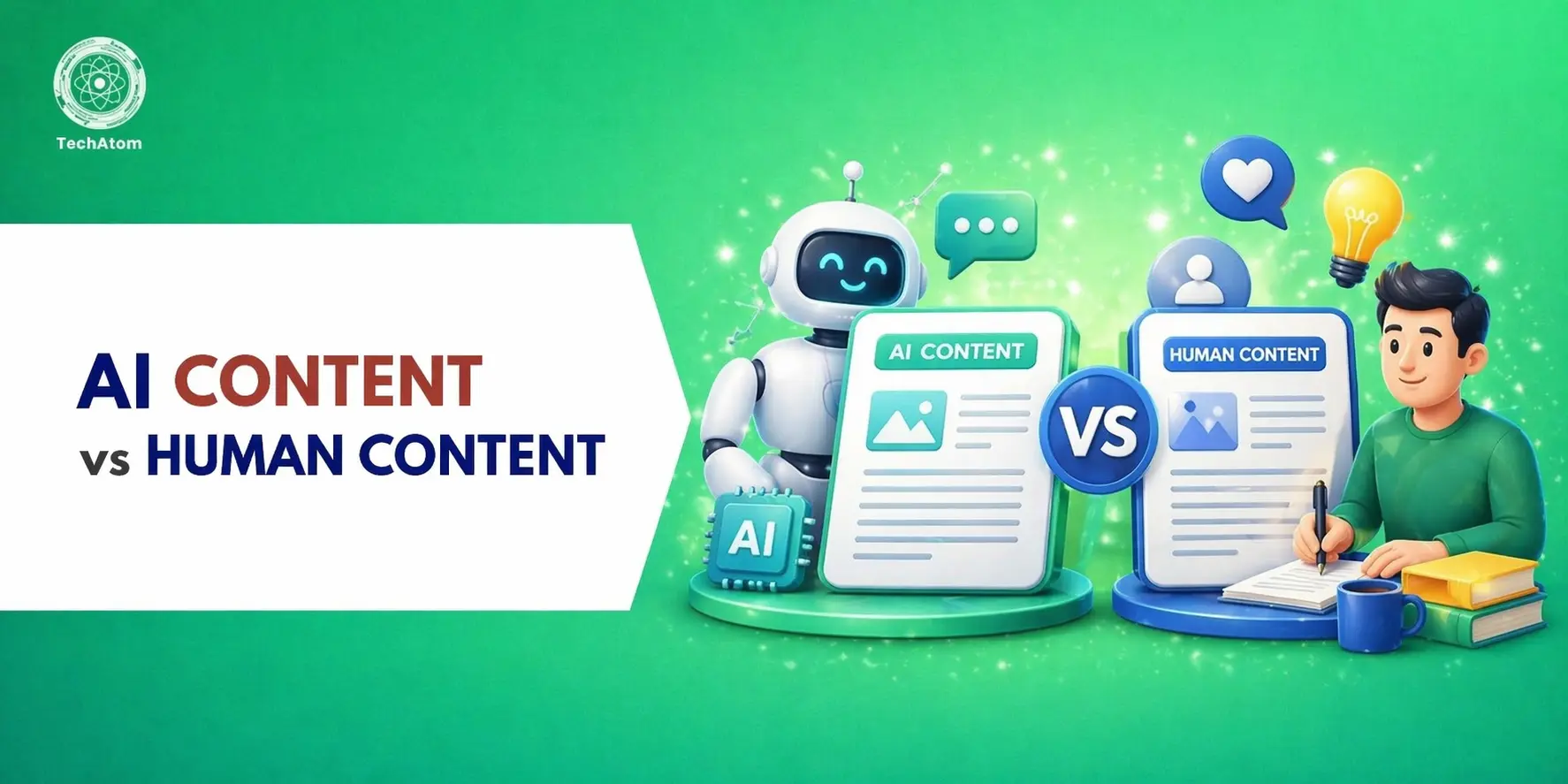

Content creation has changed rapidly in the last few years. Businesses today have access to advanced tools that can generate large amounts of content in a short time. While this has made publishing easier and faster, it has also created a new challenge: standing out in a crowded digital space. Many websites now publish similar-looking articles that provide information but lack personality, insight, or real connection with readers. As a result, search engines and audiences have both become more selective about the content they trust and engage with.
This shift has led marketers to rethink how content should be created. Instead of relying only on automated writing systems, many successful brands now combine technology with human creativity. This approach allows teams to research topics quickly while still shaping the content with experience, clear explanations, and meaningful examples. The result is content that not only answers questions but also builds credibility and keeps readers interested. In the long run, the real goal of content is not simply to publish more pages but to create information that people actually want to read, share, and return to.
Quick Comparison: Two Different Approaches to Content
|
Aspect |
Fully Automated |
Humanized Content |
|
Writing Speed |
Very fast |
Moderate |
|
Depth of explanation |
Often basic |
More detailed |
|
Reader engagement |
Lower |
Higher |
|
Trust and credibility |
Limited |
Strong |
|
Long term value |
Short-term impact |
Sustainable results |
This comparison highlights why many successful websites now focus on a balanced approach rather than relying on only one method.
Understanding How Content Performance Is Measured
To evaluate which type of content performs better, marketers often analyze several performance signals. These may include traffic growth, reader engagement, and how long visitors stay on a page. These metrics help teams understand whether an article is truly useful or simply published without creating meaningful impact.
By comparing different types of content across these signals, organizations can identify which approach delivers stronger results over time. In many cases, content that combines automation with human refinement tends to perform better because it balances efficiency with clarity and relevance.
Content With a Human Edge Performs Better
Content that carries a human perspective often performs better because it feels natural and relatable. Readers can easily tell when an article is written with care and understanding of the topic.
Humanized content usually includes real insights, simple explanations, and a tone that speaks directly to the reader. This type of content often leads to
- stronger trust between the brand and the audience
- higher engagement through comments, shares, and discussions
- longer time spent on the page
Performance Comparison
|
Factor |
Generic Automated Content |
Humanized Content |
|
Reader Trust |
Moderate |
High |
|
Engagement |
Low to Medium |
High |
|
Time on Page |
Short |
Longer |
|
Brand Connection |
Weak |
Strong |
When readers feel that the content truly understands their questions or problems, they are far more likely to stay and explore more pages on the website.
Traffic-Wise Segmentation of Articles
Different types of articles bring different kinds of traffic. A smart content strategy focuses on creating a mix of articles that serve various purposes.
For example:
- Educational and informational guides often bring steady search traffic over time
- Case studies and expert opinions can attract backlinks and professional interest
- Practical guides and tutorials often rank well for specific search queries
Types of Articles and Traffic Impact
|
Article Type |
Main Purpose |
Traffic Behavior |
|
Educational Guide |
Explain topics in depth |
Consistent long-term traffic |
|
Case Studies |
Show real results |
Attract backlinks and credibility |
|
Tutorials / How to |
Solve specific problems |
High search visibility |
|
Opinion Pieces |
Share perspectives |
Higher social engagement |
Segmenting content in this way allows websites to reach readers at different stages, from people who are just learning about a topic to those who are ready to make a decision.
Content That Grows, and Stays Relevant
Publishing content is only the first step. To deliver lasting results, articles should remain useful and relevant over time. Content that answers common questions or explains core topics can continue bringing visitors for months or even years.
To keep content valuable:
- Update articles with fresh insights and examples
- Add internal links to related pages on the website
- Improve clarity or structure when new information becomes available
Evergreen Content Benefits
|
Benefits |
Impact |
|
Long-term traffic |
Articles continue attracting visitors over time |
|
Better search visibility |
Updated pages often maintain strong rankings |
|
Higher credibility |
Readers trust well-maintained information |
|
Improved user experience |
Clear and updated content is easier to understand |
Websites that regularly refresh their best content often see stronger and more stable traffic growth.
Website Pages Need More Than Just Words
Successful web pages are built around more than just text. The overall experience plays a major role in how visitors interact with the content.
Effective pages usually include:
- Clear headings and structured sections that make reading easier
- Visuals such as images, charts, or illustrations that support the message
- Simple navigation and calls to action that guide the reader
Elements of an Effective Web Page
|
Element |
Purpose |
|
Headings and structure |
Improve readability and scanning |
|
Images or visuals |
Help explain complex ideas |
|
Internal links |
Guide users to related information |
|
Calls to action |
Encourage the next step for visitors |
When design, structure, and content work together, visitors find information faster and are more likely to stay on the site.
So, What Can You Do Differently?
Many websites struggle because they focus on producing more content instead of improving the quality of what they publish. A better approach is to create content that truly helps the audience.
Some practical steps include:
- writing with a clear understanding of what readers are searching for
- explaining ideas in a simple and natural way
- focusing on useful insights instead of repeating common information
- reviewing content performance and improving pages that already attract traffic
Practical Content Improvement Strategy
|
Step |
Action |
|
Audience Research |
Understand what readers actually need |
|
Clear Writing |
Use simple and direct language |
|
Valuable Insights |
Provide helpful explanations |
|
Content Updates |
Improve pages based on performance |
Small improvements in clarity and value can often make a big difference in how content performs.
A Simple Checklist for Creating Better Content
Before publishing any article, it helps to review a few key points.
- Does the article clearly answer the reader’s question?
- Is the information easy to understand for beginners?
- Does the content provide real insights rather than generic explanations?
- Are headings, tables, or visuals used to improve readability?
- Does the page guide the reader to the next useful step?
Using a checklist like this can significantly improve the overall quality of your content.
For Decision Makers and Marketing Teams
For teams responsible for digital growth, content should be treated as a long-term investment rather than a quick marketing task. High-performing websites usually follow a structured content strategy.
Key practices often include:
- Prioritizing quality and usefulness over the number of articles published
- Studying audience behavior and search trends before choosing topics
- Encouraging collaboration between writers, strategists, and designers
- Focusing on building trust and credibility with every piece of content
Strategic Content Approach
|
Focus Area |
Result |
|
Quality Content |
Better engagement and rankings |
|
Data-driven topics |
Higher relevance for audiences |
|
Team collaboration |
Stronger and well-structured content |
|
Audience trust |
Long-term brand credibility |
When teams align their efforts around these principles, content becomes a powerful driver of both traffic and brand authority.
Key Takeaways
- Content that combines technology with human editing often performs better over time
- Clear explanations and useful insights help build reader trust
- Structured articles with headings, tables, and visuals improve readability
- Updating and improving existing articles can strengthen long-term traffic
- A balanced content strategy usually delivers more sustainable results
Conclusion
The real difference between ordinary content and content that delivers results lies in its ability to connect with readers. Information alone is not enough. Readers look for clarity, relevance, and a sense that the content was created with their needs in mind.
When technology is combined with thoughtful editing, real insight, and a clear understanding of the audience, content becomes far more effective. Instead of simply filling pages with text, this approach focuses on creating meaningful information that attracts readers, keeps them engaged, and continues to deliver value long after it is published.
Frequently Asked Questions
1. What is the difference between automated content and humanized content?
Automated content is generated quickly using writing tools and systems, which helps produce large amounts of information in a short time. Humanized content, on the other hand, is reviewed and shaped by a person who adds clarity, experience, and natural language. This makes the content more engaging, trustworthy, and easier for readers to connect with.
2. Does automated content rank well on search engines?
Content created quickly can rank if it provides useful information and answers user questions clearly. However, articles that are carefully edited, structured well, and written with real insights usually perform better over time because they provide a better experience for readers.
3. Why is humanized content more engaging for readers?
Humanized content feels more natural and relatable because it includes simple explanations, real examples, and a tone that speaks directly to the reader. This helps build trust, encourages readers to stay longer on the page, and increases the chances of them sharing the content.
4. Can businesses combine automated writing with human editing?
Yes, many businesses now combine both approaches. Writing systems can help with research and drafting, while human editors improve the structure, add insights, and make the content easier to understand. This balanced approach often produces better results than relying on only one method.
5. How can marketers create content that delivers long-term results?
To create content that continues to perform well, marketers should focus on useful topics, clear explanations, and reader needs. Updating articles regularly, improving structure, and adding helpful resources can also help content stay relevant and attract traffic over a longer period of time.
People are also reading: