Search engine optimization has evolved significantly over the years, but backlinks remain one of the most influential ranking factors in Google's algorithm. A well-planned backlink strategy for SEO helps websites build authority, increase visibility, attract qualified traffic, and improve organic search rankings. Research consistently shows the impact of backlinks on search performance. The top-ranking result on Google has approximately 3.8 times more backlinks than pages ranking in positions two through ten. At the same time, nearly 95% of webpages receive no backlinks at all, making link acquisition one of the biggest differentiators between high-performing and low-performing websites.
Backlinks act as endorsements from other websites. When reputable websites link to your content, search engines interpret those links as signals of trust, relevance, and authority. However, modern link building is no longer about acquiring as many links as possible. Today's successful SEO backlink strategy focuses on earning relevant, high-quality backlinks from authoritative sources through valuable content, strategic outreach, and relationship building.
What Are Backlinks
Backlinks, also known as inbound links or incoming links, are hyperlinks from one website that point to another website. They function as pathways that connect different pages across the internet while helping users and search engines navigate content.
For example: If a marketing blog links to a guide published on your website, that hyperlink becomes a backlink for your page.
How Do Backlinks Work?
Search engines use backlinks as indicators of credibility and popularity. Each backlink acts like a vote of confidence, signaling that another website considers your content valuable enough to reference.
When search engine crawlers encounter backlinks, they evaluate factors such as:
- The authority of the linking website
- The relevance between the linking and linked pages
- The placement of the link within content
- The anchor text used
- The overall trustworthiness of the referring domain
These signals help search engines understand how valuable a page is and determine where it should rank in search results.
Why Do Backlinks Matter for SEO?
Backlinks are one of the strongest indicators of authority in search engine algorithms. While content quality and user experience remain critical, backlinks often determine which pages earn top positions for competitive keywords. Several studies have found a strong correlation between backlink profiles and higher rankings. Websites that consistently earn authoritative backlinks tend to outperform competitors with weaker link profiles.
Backlinks matter because they:
- Increase domain authority and trust signals
- Help search engines discover new pages faster
- Improve keyword rankings
- Generate referral traffic from external websites
- Strengthen topical authority within a niche
- Enhance brand credibility and visibility
In highly competitive industries, backlinks often become the deciding factor between a page ranking on the first page of search results or remaining buried beneath competitors.
Benefits of Backlinks in SEO
Backlinks play a crucial role in SEO by improving website authority, as search engines treat high-quality links from trusted websites as strong signals of credibility and relevance. They help increase organic rankings by boosting a page’s ability to compete for targeted keywords in search results. Backlinks also drive referral traffic from other websites, bringing in highly relevant and engaged visitors. In addition, they support faster indexing by helping search engines discover new pages more efficiently. Overall, a strong backlink profile strengthens visibility, trust, and long-term search performance.
For example: If a new SEO blog gets a backlink from a high-authority site like Forbes or HubSpot, Google sees it as a strong trust signal, which can significantly improve its ranking position.
Types of Backlinks
Understanding different backlink types is essential for building a balanced and effective link-building strategy.
1. Dofollow Backlinks
Dofollow backlinks are hyperlinks that pass authority, often called link equity, from one website to another. They act as a vote of confidence, signaling to search engines that the linked content is trustworthy and valuable. By default, every hyperlink is considered a dofollow link unless it includes attributes such as rel="nofollow", rel="sponsored", or rel="ugc".
Because they transfer ranking signals, dofollow backlinks have a direct impact on search engine rankings and are considered the most valuable type of backlink. Earning high-quality dofollow links from authoritative and relevant websites can improve domain authority, increase organic traffic, strengthen credibility, and boost search visibility.
Examples include:
- Editorial mentions
- Industry resource links
- Guest post links
- News publication references
Because they transfer ranking signals, dofollow backlinks are often a primary focus of SEO link-building campaigns.
2. Nofollow Backlinks
Nofollow backlinks are hyperlinks that include the rel="nofollow" attribute, which tells search engines not to pass ranking authority (also known as link equity or PageRank) to the linked page. Although these links do not directly improve search rankings, they remain an important part of a healthy and natural backlink profile.
Common sources include:
- Social media platforms
- Blog comments
- Forums
- Sponsored content
Although they may not transfer authority in the same way as dofollow links, they still contribute to traffic generation, brand visibility, and a natural backlink profile.
3. Editorial Backlinks
Editorial backlinks are naturally earned links that writers, editors, or publishers include within their content because they believe your page provides valuable information for their readers. Unlike paid or requested links, editorial backlinks are awarded based on the quality, relevance, and usefulness of your content, making them one of the strongest ranking signals in SEO.
These backlinks are widely considered the most valuable because they come from genuine recommendations rather than link-building agreements.
Examples include:
- Research citations
- Industry reports
- Expert commentary
- Original studies
- Data-driven content
Editorial links typically provide the strongest authority signals and are among the most sought-after backlink types.
4. Guest Post Backlinks
Guest post backlinks are earned by writing and publishing high-quality articles on another website in exchange for a backlink to your own site. When published on reputable and relevant websites, guest posting helps build domain authority, generate referral traffic, expand your audience, and improve search engine rankings.
However, the value of a guest post backlink depends on the quality of the host website. Focus on websites within your niche that have genuine organic traffic, strong editorial standards, and an engaged audience rather than sites created solely for selling backlinks.
When executed strategically, guest posting can:
- Build authority
- Reach new audiences
- Generate referral traffic
- Earn relevant backlinks
The focus should always be on reputable industry websites rather than low-quality sites created solely for link building.
5. Resource Page Backlinks
Resource page backlinks are links earned from curated webpages that recommend useful articles, tools, guides, and other valuable resources within a specific industry. Since the primary purpose of these pages is to help users find high-quality external content, website owners are often willing to add relevant resources that benefit their audience.
Earning backlinks from trusted resource pages can improve website authority, generate consistent referral traffic, increase industry visibility, and strengthen long-term SEO performance.
Securing placement on relevant resource pages can generate:
- Consistent referral traffic
- Highly relevant backlinks
- Increased industry visibility
Resource page links are particularly effective because they often remain active for long periods.
6. Sponsored Backlinks
Sponsored backlinks are paid promotional links placed on another website as part of advertisements, sponsored articles, brand collaborations, or affiliate partnerships. To comply with Google's guidelines, these links should use the rel="sponsored" attribute, which tells search engines that the link is part of a commercial arrangement. While sponsored backlinks do not pass SEO authority like dofollow links, they are valuable for driving targeted referral traffic, increasing brand awareness, and reaching new audiences.
Common examples include:
- Sponsored blog posts
- Paid product reviews
- Brand partnership articles
- Affiliate promotions
Sponsored links should always be properly labeled to follow Google's guidelines and maintain transparency.
7. UGC (User-Generated Content) Backlinks
UGC (User-Generated Content) backlinks are links created by users rather than website owners or editors. They are commonly found in forum discussions, blog comments, question-and-answer websites, product reviews, and online communities. These links typically use the rel="ugc" attribute, which tells search engines that the link was added by a user and not by the website's editorial team.
Common sources include:
- Forum discussions
- Blog comments
- Community websites
- Question-and-answer platforms
Although these links usually pass little or no SEO authority, they can still generate referral traffic and help build brand awareness.
8. Contextual Backlinks
Contextual backlinks are hyperlinks placed naturally within the main body of a webpage's content, surrounded by relevant text. Because search engines analyze the surrounding content to understand the link's context and relevance, these backlinks typically carry more SEO value than links placed in sidebars, footers, or navigation menus. They are considered one of the most effective backlink types for improving search rankings and topical authority.
Examples include:
- Links within blog articles
- References in industry guides
- Educational content citations
- Expert resource pages
Because they are highly relevant to the surrounding content, contextual backlinks often carry stronger ranking signals than links placed in sidebars or footers.
9. Image and Infographic Backlinks
Image and infographic backlinks are earned when other websites use your original images, charts, infographics, or visual content and credit your website with a backlink. You can also increase your chances of earning these links by sharing high-quality visuals on reputable image and infographic submission platforms. This strategy helps generate referral traffic, improve brand visibility, strengthen domain authority, and attract natural backlinks from blogs, media websites, and educational resources.
Common examples include:
- Infographic citations
- Original charts and graphs
- Custom illustrations
- Research visualizations
Creating unique visual content increases the chances of earning natural backlinks from blogs, media websites, and educational resources.
10. Directory Backlinks
Directory backlinks are links earned by listing your website or business in trusted online directories that organize businesses by industry, category, or location. These directories help users discover businesses while giving search engines additional signals about your website's credibility and legitimacy. Although directory backlinks are not as powerful as editorial backlinks, they remain valuable for building a diverse backlink profile and improving local SEO.
Examples include:
- Google Business Profile
- Yelp
- Industry-specific directories
- Local business listings
Focus on reputable and relevant directories rather than low-quality directory websites created only for link building.
11. Press Release Backlinks
Press release backlinks are earned when news websites, media outlets, blogs, or PR distribution platforms publish your business announcements and include links to your website. Although many press release links are nofollow, they can increase brand visibility, generate referral traffic, and sometimes lead to valuable editorial dofollow backlinks when journalists or publishers cover your story.
Common examples include:
- Product launches
- Company announcements
- Industry awards
- Research reports
- Event announcements
High-quality press release backlinks can improve brand visibility, generate referral traffic, and sometimes lead to valuable editorial backlinks from journalists and publishers.
12. Self-Created Backlinks
Self-created backlinks are links that website owners create themselves by adding their website to platforms that allow user-generated content, such as business directories, social profiles, forums, blog comments, and community websites. Although these backlinks generally pass little SEO authority compared to editorial or guest post links, they help build brand awareness, generate referral traffic, and create a diverse backlink profile when used on reputable platforms.
Common examples include:
- Business directories
- Social media profiles
- Forum signatures
- Community websites
- Local business listings
Self-created backlinks should be built carefully and only on relevant, trustworthy websites. Creating large numbers of low-quality or spammy self-created links can violate search engine guidelines and negatively affect SEO.
Note: A healthy backlink profile includes a mix of different backlink types. The best SEO results come from earning high-quality, relevant backlinks naturally while maintaining a balanced combination of dofollow, nofollow, editorial, guest post, contextual, directory, image, sponsored, UGC, and PR backlinks. This diversity helps create a natural link profile that search engines trust.
Backlink Quality vs Quantity: What Matters More?
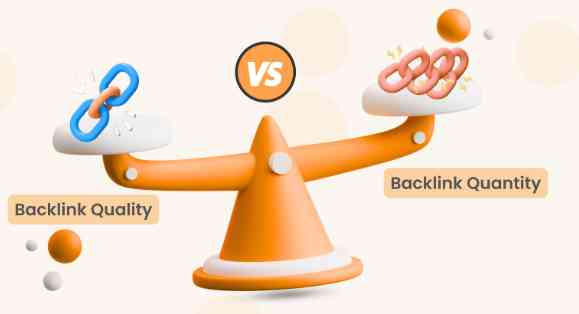
In SEO, backlink quality is more important than quantity because search engines care more about relevance, trust, and authority than just the number of links. One strong backlink from a trusted and related website can be more powerful than many low-quality or spammy links. Link quantity can still help with visibility, but only when the links are from good and relevant sources.
For example: A single backlink from a well-known site like a major news portal or industry blog can improve rankings more than dozens of links from unrelated small websites. Link quantity can still help with visibility, but only when the links are from good and relevant sources.
Focusing too much on quantity can create a weak backlink profile and may even harm rankings over time. That is why a balanced and quality-focused backlink strategy is important for long-term SEO success.
What Is a Backlink Strategy in SEO?
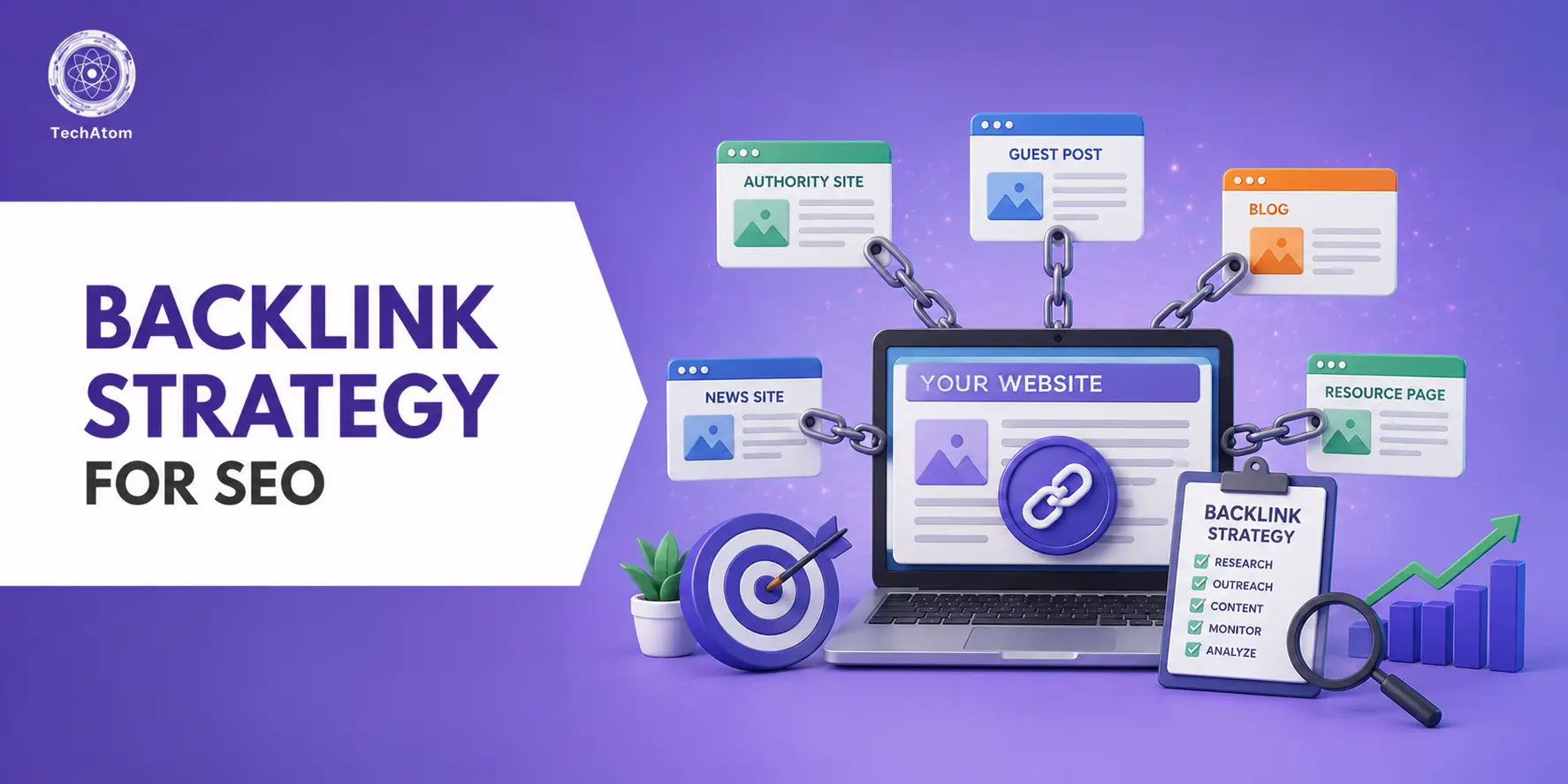
A backlink strategy is a structured plan for acquiring relevant, authoritative links that support a website's SEO goals. Rather than pursuing links randomly, a strategic approach aligns link acquisition with business objectives, content marketing efforts, and keyword targets.
An effective backlink strategy typically includes:
- Competitor backlink analysis
- Content creation planning
- Outreach campaigns
- Digital PR initiatives
- Guest posting opportunities
- Link reclamation efforts
- Ongoing backlink monitoring
The objective is to build a natural backlink profile that demonstrates expertise, authority, and trustworthiness to search engines.
Key Factors of a High-Quality Backlink Strategy
A high-quality backlink strategy is built on relevance, where links from industry-related websites hold more value than unrelated sources, along with authority from trusted and established domains that strengthen ranking signals. It also requires diversity in backlink profiles by gaining links from different sources, formats, and domains to maintain a natural profile.
Backlinks should always be earned through genuine content and relationships rather than manipulative or artificial practices. A strategic distribution of links across key pages is also important, with benchmarks suggesting 50% for homepages, 25% for category pages, and 25% for informational content. Together, these factors create a balanced and effective backlink strategy that improves overall SEO performance.
Proven Backlink Strategies for SEO
Building high-quality backlinks requires a systematic approach that prioritizes value, relevance, and credibility. While there are many link-building tactics available, the most effective strategies focus on earning links naturally through useful content and strong industry relationships.
1. Create Link-Worthy Assets
The foundation of every successful backlink strategy is content that people genuinely want to reference and share. Link-worthy assets provide unique value that encourages other websites to cite them as a resource.
Examples of link-worthy content include:
- Original research and surveys
- Industry reports
- Case studies
- Data-driven articles
- Comprehensive guides
- Infographics
- Statistics pages
- Interactive tools and calculators
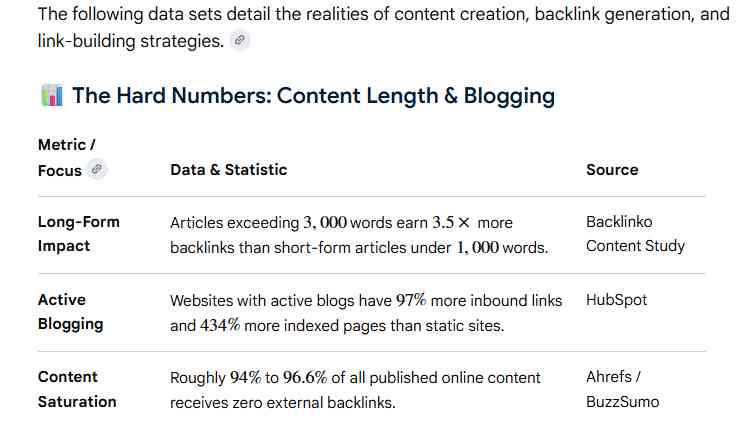
Research shows that long-form content exceeding 3,000 words generates approximately 77% more backlinks than shorter articles. Additionally, websites that maintain active blogs attract 97% more backlinks compared to websites that publish content infrequently. When creating link-worthy assets, focus on answering industry-specific questions, presenting unique data, or providing resources that simplify complex topics. The more valuable and original the content, the higher the likelihood of earning editorial backlinks.
2. Leverage Digital PR and Expert Contributions
Digital PR has become one of the most effective methods for acquiring authoritative backlinks from trusted publications. This strategy involves positioning your brand, executives, or subject matter experts as valuable sources for journalists, bloggers, and industry publications.
Common digital PR opportunities include:
- Providing expert commentary
- Participating in industry interviews
- Contributing quotes to articles
- Sharing original research findings
- Publishing thought leadership content
- Responding to media requests
Links earned through digital PR often come from highly authoritative websites, making them particularly valuable for improving website authority and search visibility. Building relationships with journalists and industry publishers can create ongoing opportunities for earning backlinks while simultaneously strengthening brand credibility.
3. Analyze and Replicate Competitor Backlinks
Competitor backlink analysis helps identify websites that are already linking to similar businesses or content within your industry.
Using backlink analysis tools, businesses can evaluate:
- Competitors' referring domains
- Most linked pages
- Guest posting opportunities
- Resource page placements
- Industry directories
- Editorial mentions
The goal is not to copy competitors directly but to identify opportunities where your content may provide equal or greater value.
For example: If multiple competitors have earned links from a particular industry publication, that publication may also be interested in featuring your expertise, research, or content.
This approach often uncovers backlink opportunities that would otherwise be difficult to identify.
4. Broken Link Building
Broken link building involves finding inactive or outdated links on other websites and suggesting your content as a replacement. Website owners generally appreciate being informed about broken links because they negatively affect user experience and website quality.
The process typically includes:
- Finding broken links on relevant websites.
- Identifying content that matches the original topic.
- Contacting the website owner.
- Suggesting your content as an alternative resource.
Because this strategy provides value to both parties, it often results in higher success rates compared to traditional outreach methods. Broken link building is particularly effective for educational resources, industry guides, research content, and evergreen articles.
5. Submit Testimonials
Many businesses publish customer testimonials on their websites and frequently include links back to the companies providing them. Submitting genuine testimonials for products, software platforms, services, or business partners can create easy backlink opportunities.
Effective testimonial backlinks typically come from:
- Software providers
- Marketing platforms
- Industry tools
- Business service providers
- Educational programs
The key is authenticity. Testimonials should reflect real experiences and provide meaningful feedback rather than being written solely for SEO purposes. Although testimonial links may not become the most powerful links in a profile, they can contribute to backlink diversity and authority growth.
6. Strategic Guest Blogging
Guest blogging remains one of the most widely used white hat link-building techniques when implemented correctly. The objective is to publish valuable content on reputable industry websites while earning a relevant backlink within the author profile or article body.
A successful guest blogging strategy focuses on:
- Relevant industry publications
- High-quality content contributions
- Audience alignment
- Editorial standards
- Long-term relationships
Avoid low-quality websites that accept content from anyone without editorial review. Search engines place greater value on backlinks from trusted publications with established audiences. The best guest posts provide unique insights, practical advice, and actionable information that benefits readers while naturally introducing your expertise.
Common Backlink Mistakes to Avoid
Avoiding common backlink mistakes is essential for maintaining a strong SEO performance as poor practices like buying low-quality links, ignoring relevance, and over-optimizing anchor text can negatively impact rankings. Relying on a single link source or spammy websites can reduce overall website authority and trust. It is also important to regularly audit backlinks to identify and remove toxic or harmful links. A clean and natural backlink profile helps improve search visibility and long-term SEO success.
Measuring the Impact of Backlinks
Effective link building should be measured using clear performance indicators.
Key metrics include:
|
Metric |
Why it Matters |
|
Referring Domains |
Measures link diversity |
|
Domain Authority |
Indicates authority growth |
|
Tracks SEO impact |
|
|
Keyword Rankings |
Evaluates visibility improvements |
|
Referral Traffic |
Measures direct visitors from links |
|
Indexed Pages |
Reflects crawl efficiency |
|
Conversion Rates |
Connects SEO efforts to business goals |
Monitoring these metrics helps determine whether backlink campaigns are generating meaningful results beyond simply increasing link counts. Businesses should evaluate both SEO performance and business outcomes when assessing backlink success.
Best Tools for Backlink Analysis and Monitoring
Professional SEO teams rely on specialized tools to analyze backlink profiles, monitor competitors, and identify new opportunities.
|
Tool |
Primary Use |
|
Ahrefs |
Backlink research and competitor analysis |
|
Semrush |
Link audits and outreach research |
|
Moz Pro |
Authority tracking and link analysis |
|
Google Search Console |
Monitoring backlink data |
|
Majestic |
Trust Flow and citation analysis |
These platforms provide valuable insights into backlink quality, referring domains, anchor text distribution, and overall link-building performance.
Using multiple tools often provides the most complete picture of a website's backlink profile.
How Long Does It Take for Backlinks to Improve Rankings?
Backlinks do not produce immediate ranking improvements. Search engines require time to crawl, index, and evaluate new links before incorporating them into ranking calculations.
The timeline depends on factors such as:
- Website authority
- Competition level
- Link quality
- Industry niche
- Content quality
- Search demand
In many cases, businesses begin noticing measurable ranking improvements within three to six months of consistent link-building efforts.
Highly competitive keywords may require longer timeframes and a larger number of referring domains before meaningful ranking gains occur.
Sustainable SEO success comes from consistent link acquisition rather than short-term campaigns.
Future Trends in Backlink Strategy
As search engines become more advanced, backlink strategies are shifting toward relevance, with industry-specific links gaining more value and top-ranking pages having 3.8× more backlinks than lower results. Brand authority is increasingly important as original research and expert content attract more natural links, supported by data showing 77% more backlinks from long-form content. Digital PR is growing as a key channel, while link building now accounts for 28%-36% of SEO budgets in many organizations. Data-driven content like studies and surveys is expected to earn more editorial backlinks, while outreach remains challenging with an 8.5% reply rate, improved by 65.8% through personalized follow-ups. Overall, future backlink strategies will focus on trust, relevance, and high-quality content over volume-based tactics.
Conclusion
A strong backlink strategy for SEO is essential for building website authority, improving organic rankings, and driving consistent traffic growth over time. High-quality, relevant backlinks remain one of the most powerful ranking signals in search engines, especially when combined with valuable content. As SEO continues to evolve, focusing on trust, relevance, and ethical link-building practices ensures long-term success. Businesses that invest in strategic backlink building will achieve stronger visibility, credibility, and sustainable search performance.
Frequently Asked Questions
1. Can a website rank without backlinks?
Yes, websites can rank without backlinks, particularly for low-competition keywords. However, backlinks significantly improve a website's ability to compete for competitive search terms and higher rankings.
2. How often should I audit my backlink profile?
Most businesses should perform backlink audits at least quarterly. Websites engaged in active link-building campaigns may benefit from monthly monitoring.
3. Are backlinks from social media websites valuable for SEO?
Most social media links are nofollow, but they still contribute to brand visibility, referral traffic, content distribution, and backlink acquisition opportunities.
4. What is backlink diversification, and why is it important?
Backlink diversification refers to acquiring links from various domains, content types, industries, and platforms. A diverse backlink profile appears more natural and reduces dependency on a single source.
5. Should I remove toxic backlinks from my website?
Potentially harmful backlinks should be reviewed carefully. If they pose a risk to search performance, website owners can request removal or use Google's disavow tool when appropriate.
People are also reading