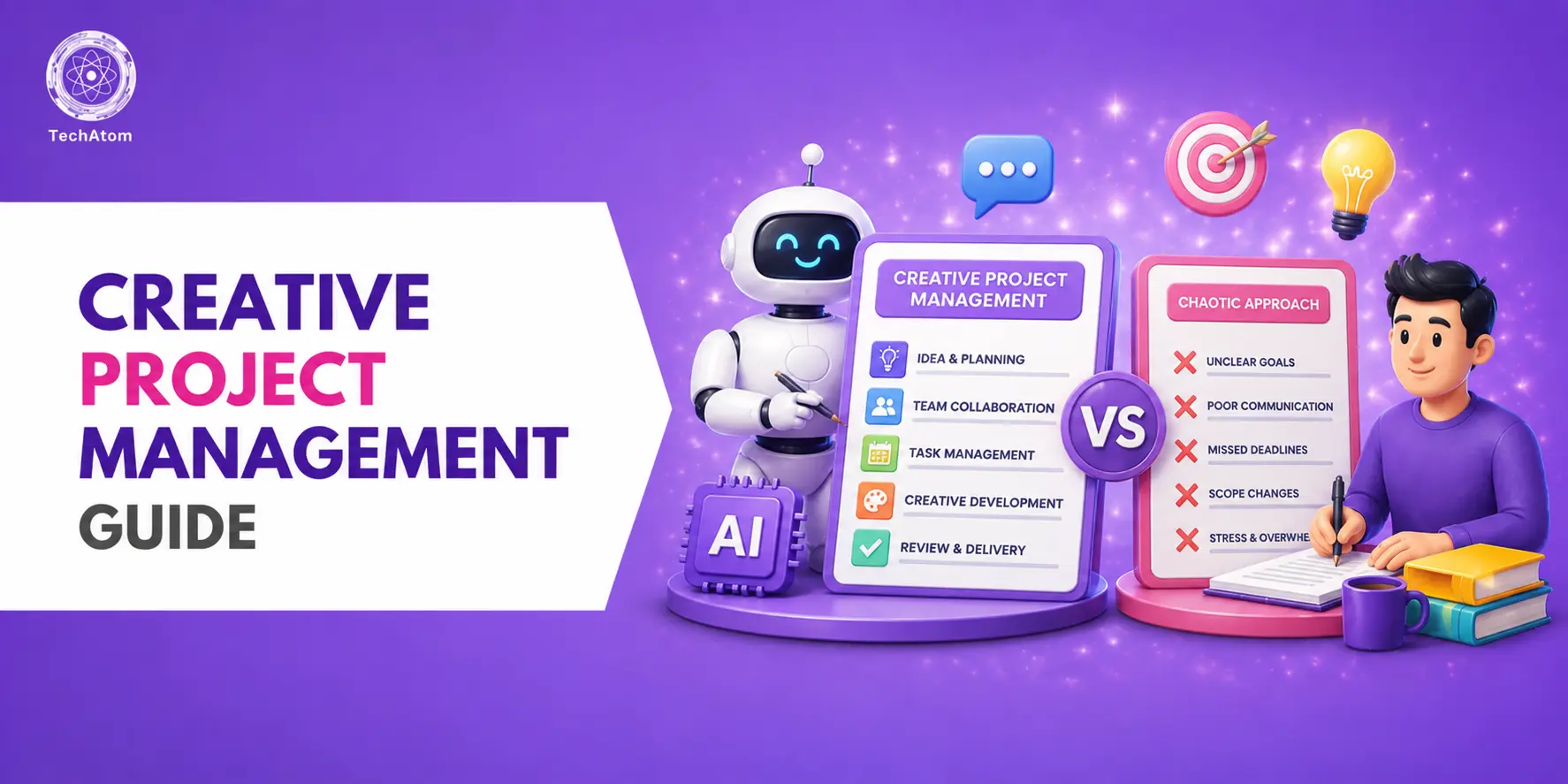
Creative work often looks smooth and effortless, but behind every successful design, campaign, or piece of content, there is a structured process that keeps everything on track. Without proper management, even the best ideas can become disorganized, leading to delays, confusion, and repeated revisions.
Creative project management helps bring clarity to this process. It ensures that ideas are not just created but executed properly, with clear direction, timelines, and collaboration. When managed well, creative work becomes more efficient, consistent, and result-driven.
What is Creative Project Management?
Creative project management is the process of planning, organizing, and executing creative work from start to finish in a structured way. It involves defining project goals and deliverables, breaking the work into tasks, assigning responsibilities, managing timelines and milestones, handling feedback and revisions, and ensuring smooth final delivery.
In simple terms, it connects creativity with execution, so ideas do not get lost during the process. This approach helps teams move from ideas to completed work without confusion, while still allowing creativity to flow within a clear and organized system.
Why Creative Project Management Matters
Creative project management matters because many creative projects fail due to poor structure rather than lack of talent. Teams often begin with clear ideas but lose direction as the project progresses, which affects both quality and timelines.
In most cases, delays and rework happen not because the work is difficult, but because expectations are unclear or constantly changing. Some common issues include:
- Unclear project goals leading to confusion
- Poor communication between team members
- Frequent changes without proper planning
- Missed deadlines due to lack of tracking
- Too many revisions caused by unclear feedback
By following a clear and organized approach, teams can reduce these issues, improve efficiency, and deliver better results without unnecessary stress.
Key Components of Creative Project Management
A successful creative project depends on a few essential elements that keep everything organized and aligned. These include:
- Clear deliverables so everyone knows the expected outcome
- Task breakdown to make work manageable
- Defined roles to avoid confusion
- Consistent communication for smooth collaboration
- Progress tracking to monitor project status
When these components are in place, the workflow becomes more structured and efficient.
The Creative Project Lifecycle
Every creative project follows a process, even if it is not always clearly defined. Understanding each stage helps manage work more effectively.
Initiation
The initiation stage sets the foundation of the project. This is where the idea is defined and expectations are aligned between the team and stakeholders.
Key elements of this stage include:
- Project objectives and goals
- Scope of work
- Timeline expectations
- Budget considerations
- Communication plan
A clear start ensures fewer issues later in the project.
Planning
Planning is where the project is organized into actionable steps. This stage helps turn ideas into a structured workflow.
During planning, teams focus on:
- Creating and assigning tasks
- Setting deadlines
- Defining milestones
- Allocating resources
- Identifying task dependencies
Proper planning reduces confusion and helps maintain a steady workflow.
Execution
Execution is the stage where the actual creative work takes place. Team members collaborate, create, and complete their assigned tasks.
At this stage:
- Work is actively developed
- Teams share updates regularly
- Progress is tracked continuously
- Issues are resolved quickly
Strong coordination during execution ensures that the project moves forward smoothly.
Review and Feedback
Creative work improves through feedback, but it needs to be handled in a structured way to avoid delays.
Effective feedback should be:
- Clear and specific
- Aligned with project goals
- Easy to understand and implement
A proper review process helps reduce unnecessary revisions and improves quality.
Final Delivery
The final stage focuses on completing and delivering the project. All work is reviewed, finalized, and shared with stakeholders.
Before delivery, ensure:
- All tasks are completed
- Feedback has been implemented
- Final output meets expectations
A smooth delivery creates a positive experience for both the team and the client.
Creative Project Management vs Traditional Project Management
Creative project management is different from traditional project management in several ways. While both follow structured processes, creative work requires more flexibility. Key differences include:
- Creative projects involve frequent revisions and evolving ideas
- Outcomes are not always fixed at the beginning
- Collaboration is more dynamic and interactive
- Feedback plays a major role in shaping the final result
Understanding this difference helps teams manage creative work more effectively.
Example of Creative Project Management in Action
To understand how creative project management works in real situations, consider a simple marketing campaign project. A company planning a product launch begins with a clear brief that defines the target audience and goals. The work is then divided among designers, writers, and marketers, with specific responsibilities assigned to each team member. Clear deadlines are set for drafts, revisions, and final delivery to keep the project on track.
Feedback is shared in structured rounds to ensure improvements are made efficiently without confusion. Once all revisions are completed, the final creatives are approved and delivered. This example highlights how a structured process helps manage creative work smoothly while maintaining flexibility.
Benefits of Creative Project Management
When creative projects are managed properly, they deliver better results and smoother workflows. Some key benefits include:
- Better team coordination and collaboration
- Faster and more efficient project completion
- Improved quality of creative output
- Reduced confusion and fewer revisions
- Higher client satisfaction
These benefits make project management essential for any creative team.
Role of a Creative Project Manager
A creative project manager plays a central role in ensuring that the project runs efficiently from start to finish. They act as the link between the team and stakeholders.
Their responsibilities include:
- Planning and organizing the project
- Assigning tasks and managing timelines
- Communicating with clients and team members
- Monitoring progress and performance
- Solving problems and removing obstacles
They help maintain a balance between creativity and structure.
Common Challenges in Creative Projects
Creative projects come with unique challenges that can impact productivity if not handled properly.
Some common challenges are:
- Scope creep due to additional requirements
- Unclear or inconsistent feedback
- Tight deadlines affecting quality
- Miscommunication between team members
- Difficulty balancing creativity with deadlines
Understanding these challenges helps in managing them effectively.
Best Practices for Creative Project Management
To achieve consistent and high-quality results, teams should follow proven best practices.
- Clearly define project scope at the beginning
- Keep all communication in one place
- Set realistic deadlines for each stage
- Structure feedback to avoid confusion
- Maintain a balance between flexibility and control
- Document processes for future reference
These practices help create a more efficient and reliable workflow.
How to Improve Creative Project Management
Improving project management does not require complex systems. Simple and consistent practices can make a big difference. Here are some effective ways:
- Start with a clear and detailed project brief
- Keep communication organized in one place
- Break work into smaller tasks
- Set realistic deadlines
- Encourage team collaboration
- Avoid unnecessary micromanagement
- Review progress regularly
These steps help create a smoother workflow and better results.
Tools That Support Creative Project Management
Using the right tools can make managing creative projects much easier and more efficient.
Common tools include:
- Task management tools for assigning and tracking work
- Visual boards for monitoring progress
- Timeline tools for planning deadlines
- Collaboration platforms for feedback
- Time tracking tools for productivity analysis
Choosing the right tools helps teams stay organized and aligned.
Measuring Success in Creative Projects
Success in creative projects goes beyond just completing tasks. It is about achieving meaningful results.
Success can be measured by:
- Meeting project goals
- Quality of the final output
- Client satisfaction
- Timely delivery
- Efficiency of the workflow
Tracking these factors helps improve future projects.
Conclusion
Creative project management provides the structure needed to turn ideas into successful outcomes. It allows teams to work efficiently while maintaining the freedom to be creative. When planning, communication, and execution are handled properly, projects become more organized, results improve, and teams work with greater confidence. In the end, the goal is not just to manage work but to create a process where creativity and structure work together seamlessly.
Frequently Asked Questions
1. How should you handle last-minute changes in creative projects?
Last-minute changes are common in creative work, but they should be handled carefully. It is important to check how the change will affect deadlines, workload, and overall project scope before accepting it. Having a clear process helps avoid confusion and delays.
2. How many revision rounds are ideal for a creative project?
In most cases, 2 to 3 revision rounds are enough to refine the work. Too many revisions can slow down the project and create unnecessary confusion, so it is better to set clear limits from the beginning.
3. Why is a creative brief important in project management?
A creative brief sets the direction for the entire project. It explains the goals, target audience, and expectations, helping the team stay aligned and avoid misunderstandings during the process.
4. How can creative teams avoid burnout during projects?
Burnout can be reduced by setting realistic deadlines, balancing the workload, and allowing enough time for creative thinking. Good planning and proper communication also help reduce unnecessary stress.
5. What should be done after completing a creative project?
Once the project is finished, it is helpful to review the entire process. Teams can look at what worked well and what could be improved, which makes future projects smoother and more efficient.
People are also reading: